

Stagnation
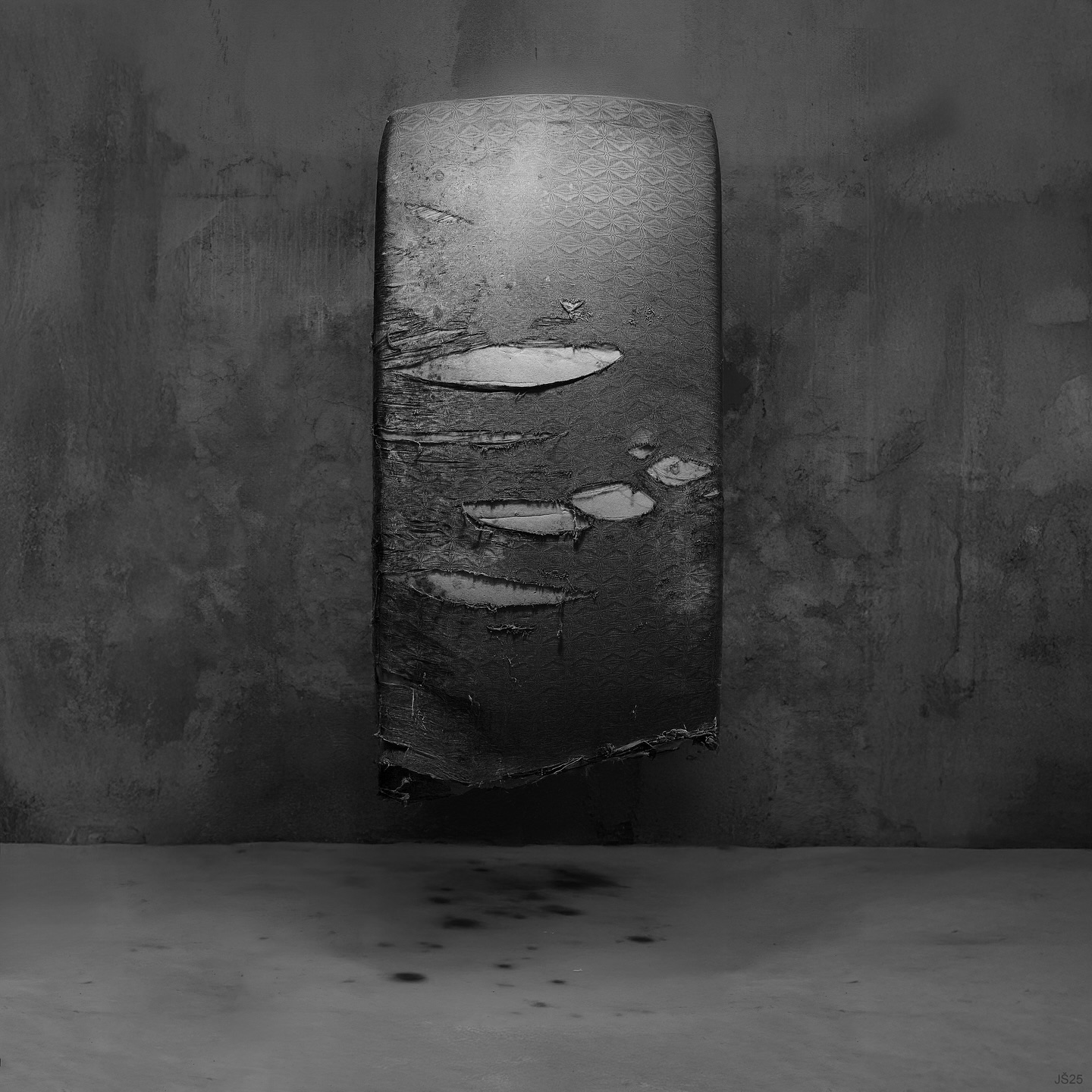
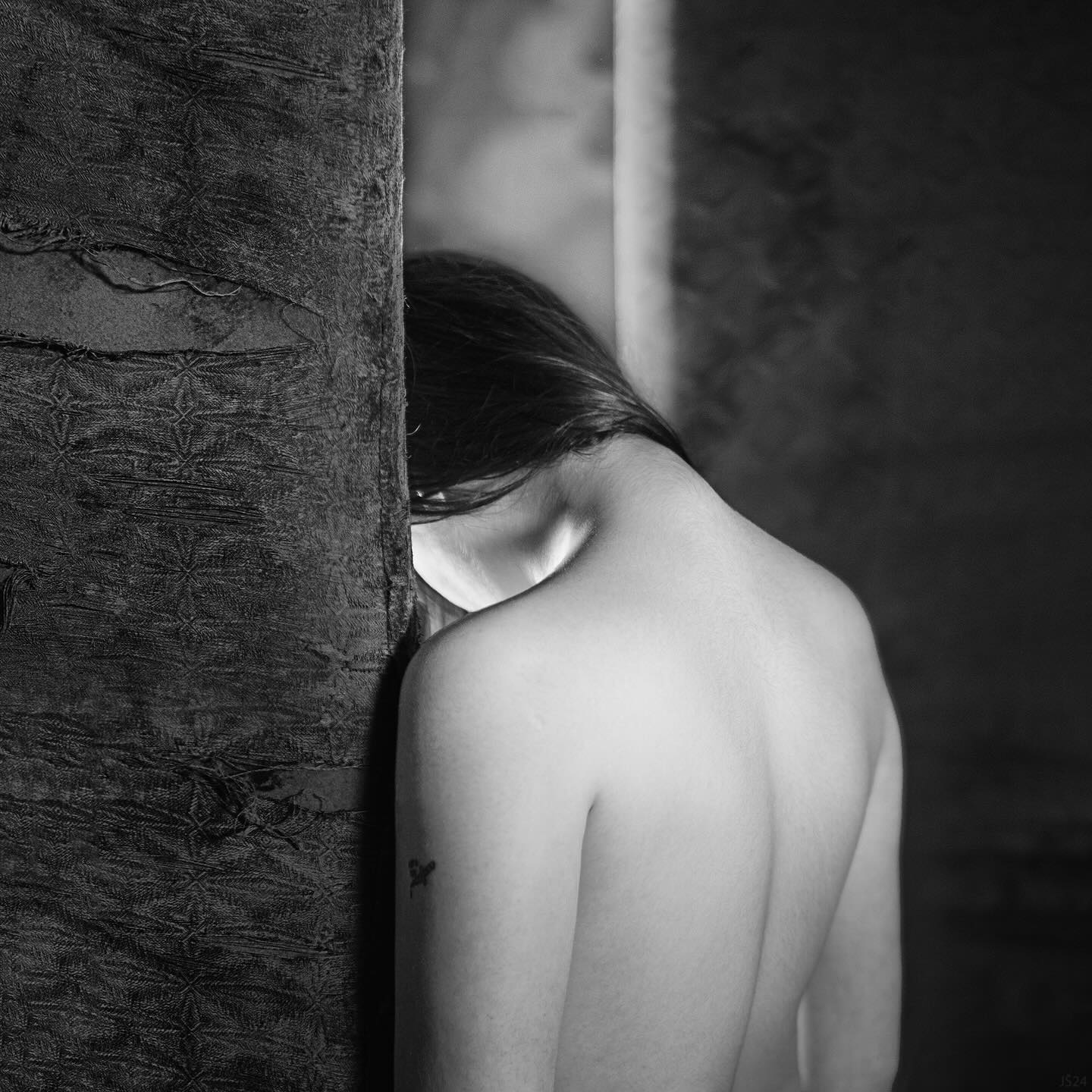
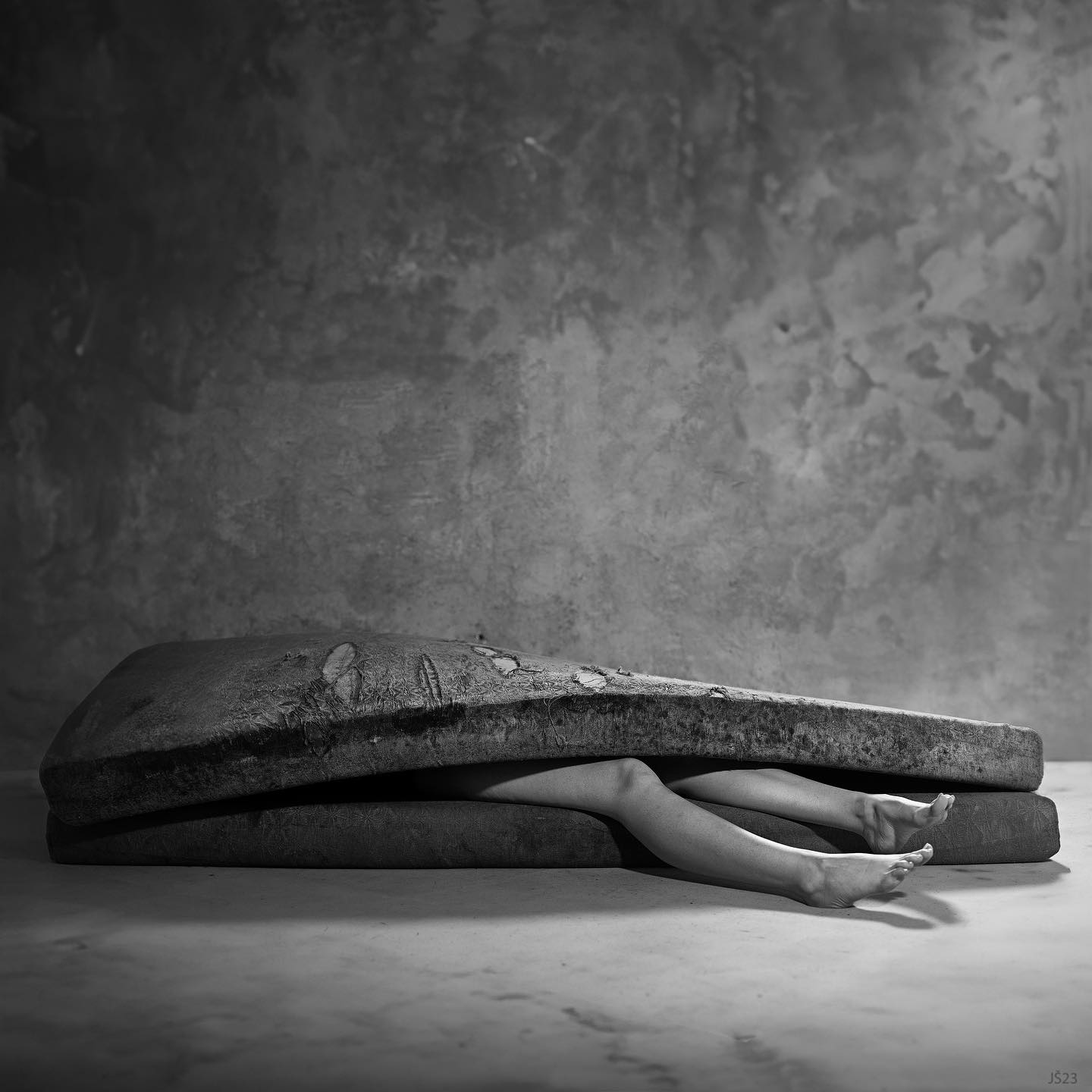
In the series Stagnation, the artist works with space in which psychological burden transforms into matter. Weight becomes a visual principle—both physical and existential. A place emerges without points of reference, where time slows down and the world contracts to just a few square meters. The human figure dissolves into fragments, into averted gestures, into a motionless presence. The body becomes a carrier of weight, confined within a limited field, losing the possibility of movement. Disturbed surfaces, worn materials, and traces of decay parallel an internal erosion. Jan Škop constructs environments that become equal actors—spaces that carry memory and pressure, and themselves transform into images of a psychological state.
The visual language of the series is built on the contrast between soft, vulnerable skin and hard, worn materials. The ambivalence of the relationship between body and matter is suffocating. Objects may serve as support, yet simultaneously function as barriers, threats, or suffocating shelters. The verticality of a heavy object suspended in space, a figure leaning against a rough column, or a body pressed between mattresses transform the motif of safety into an image of a trap. Pressure, silence, and stagnation unfold here as a prolonged state in which the boundary between rest and resignation dissolves. Stagnation becomes a concentrated existential statement about the moment when, instead of regeneration, there is only persistence—and silence begins to acquire weight.
<-- back to portfolio